
The core of bio-organic fertilizer production lies in balancing microbial activity and practicality. It is constrained by various factors, including raw materials and the supporting processes of the bio-organic fertilizer production line, directly impacting product quality, production efficiency, and large-scale implementation.
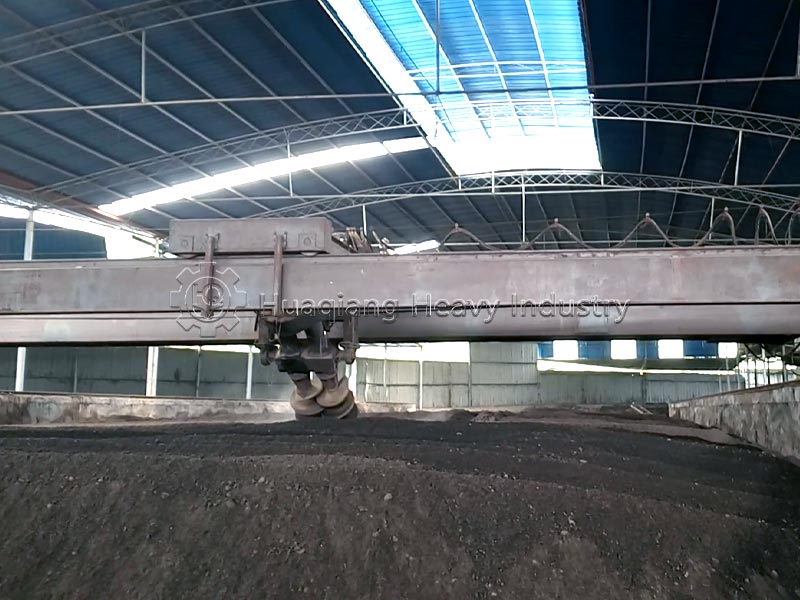
Raw material constraints are a fundamental pain point. The production relies on organic fertilizers composted using double screws compost turning machines and microbial inoculant carriers. These raw materials are sourced from diverse locations, resulting in inconsistent quality and susceptibility to impurities and moisture. Incomplete composting or unsuitable carriers can inhibit microbial activity, and unstable raw material supply also affects the continuous operation of the bio-organic fertilizer production line.
Microbial activity constraints are the core bottleneck. Beneficial microorganisms have extremely high environmental requirements. Subtle changes in fermentation temperature, humidity, and oxygen levels, as well as the pressure and high temperatures during granulation and drying in the rotary drum granulator, can all destroy their activity, leading to products with insufficient viable bacteria.
Process and cost constraints hinder large-scale development. Some processes in the bio-organic fertilizer production line struggle to balance molding quality and microbial survival; for example, granulation in the rotary drum granulator can easily cause microbial loss. Furthermore, microbial cultivation and testing stages in the production line require additional investment.
In summary, the core constraints in bio-fertilizer production are raw material stability, protection of microbial activity, process adaptability, and cost control. Optimizing raw material management and improving the bio-organic fertilizer production line processes can overcome these constraints and improve quality and efficiency.