
The windrow composting process is a simple yet highly efficient method for fermenting organic fertilizers. Its core mechanism involves transforming organic waste into high-quality organic fertilizer through a combination of linear windrows and aerobic fermentation. This method requires no complex, enclosed facilities, making it particularly well-suited for small-to-medium-scale production environments—and easy for even beginners to understand and master.
The fundamental principle relies on the aerobic respiration of microorganisms to decompose the organic matter present in raw materials, thereby achieving both detoxification and nutrient conversion. By piling materials into linear windrows with built-in air gaps, the process ensures an ample supply of oxygen for the microorganisms. Simultaneously, the use of crawler-type compost turning machines helps regulate temperature and moisture levels, fostering microbial proliferation and accelerating the maturation of the compost.
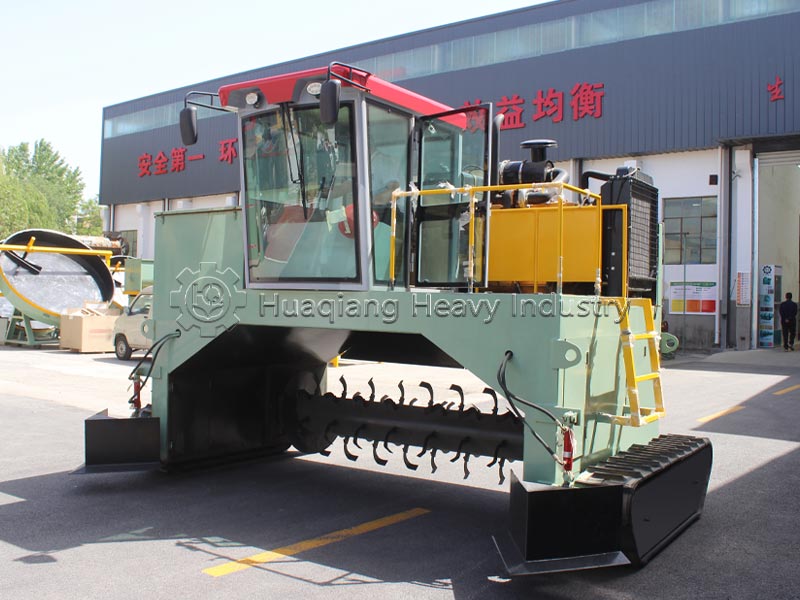
The complete process flow is straightforward: First, material preparation involves mixing organic materials—such as livestock manure and crop straw—according to specific ratios to adjust the carbon-to-nitrogen ratio and moisture content. Second, windrow formation entails piling the materials into trapezoidal or triangular ridges, ensuring that adequate space is left for ventilation. Third, turning involves periodically turning the windrows—often with the aid of specialized organic fertilizer compost turning machines—to regulate temperature and moisture levels. Fourth, maturation is reached once the material is free of foul odors and has turned a dark color, signaling the completion of the fermentation process.
The key characteristics of this process are its simplicity, flexibility, and low cost. It requires no specialized enclosed structures and has minimal site requirements; furthermore, windrow dimensions can be customized to suit specific needs, making it highly adaptable for small-to-medium-scale operations. Crucially, it facilitates the resource-efficient utilization of organic waste, aligning perfectly with the demands of sustainable, eco-friendly agriculture.
In summary, the windrow composting process offers a simple workflow and high adaptability, making it a practical and effective solution within agricultural production for recycling waste and generating high-quality organic fertilizers.