
Livestock manure (including pig, cattle, and chicken manure) serves as an excellent raw material for organic fertilizers; however, improper composting methods can easily lead to issues such as uneven maturation, foul odors, and nutrient loss. Since the characteristics of manure vary significantly among different livestock species, the specific precautions for composting each type differ as well. The core points to consider are outlined below.
Universal Considerations Are Paramount: The carbon-to-nitrogen (C/N) ratio must be adjusted to an optimal range of 25–30:1 by incorporating carbon-rich sources such as crop straw or sawdust. Moisture levels should be maintained between 55% and 65%—ideally, the material should form a clump when squeezed by hand without dripping water. The use of a crawler-type compost turning machine is recommended to assist with turning and aerating the pile, ensuring adequate oxygen supply, preventing localized uneven maturation, and providing qualified raw materials for the organic fertilizer production line.
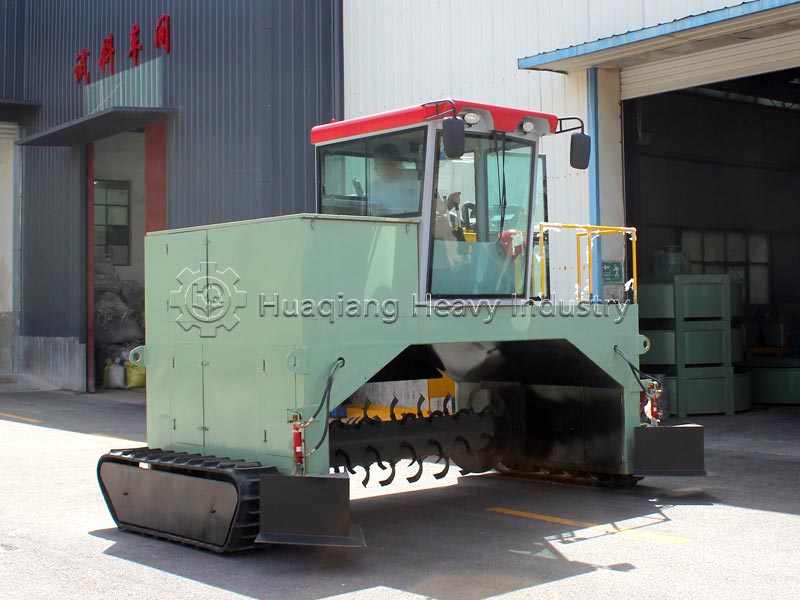
Species-Specific Considerations Require Differentiation: Pig manure is typically wet and sticky with a high nitrogen content; therefore, it requires pre-drying to reduce moisture and frequent turning using a crawler-type compost turner to prevent clumping. Cattle manure is generally loose and porous, allowing for reduced turning frequency without the need for excessive intervention. Chicken manure has a high salt content; it requires pre-crushing and thorough mixing using a crawler-type compost turner to ensure uniformity and mitigate the adverse effects of salinity.
Core Prohibitions Must Be Strictly Observed: It is strictly forbidden to introduce uncomposted (unmatured) manure directly into the organic fertilizer production line, as this will compromise the quality of the finished product. The inclusion of miscellaneous debris or foreign objects must be avoided to prevent damage to the components of the crawler-type compost turner and other organic fertilizer production equipment. Finally, the size of the compost pile must be appropriately scaled to prevent issues such as oxygen deprivation or insufficient heat retention.
In summary, successful livestock manure composting requires balancing universal best practices with species-specific requirements. By judiciously utilizing windrow compost turning machines to facilitate operations, aligning processes with the specific needs of the organic fertilizer production line, and strictly avoiding critical pitfalls, it is possible to consistently produce high-quality organic fertilizers.