
Many people are apprehensive about chlorine in fertilizers, but in reality, chlorine is an essential micronutrient for crops. NPK fertilizer production lines and NPK compound fertilizer production equipment can precisely control chlorine content, producing fertilizers with a balanced chlorine ratio. This not only avoids harming crops but also increases yield and ensures crop health. The key lies in scientific application and matching the fertilizer to crop needs.
Chlorine promotes photosynthesis, laying the foundation for high yields. It participates in chlorophyll synthesis and conversion, improving photosynthetic efficiency and helping crops accumulate carbohydrates. It also regulates stomatal opening and closing, reducing water evaporation and enhancing drought resistance, indirectly reducing yield losses caused by drought.
Chlorine enhances crop resistance and protects health. It can increase cell wall toughness, enhancing resistance to pests and diseases; it can also regulate the acid-base balance in plants, promoting the absorption of nitrogen, phosphorus, and potassium nutrients, preventing physiological diseases such as leaf yellowing and stunted growth.
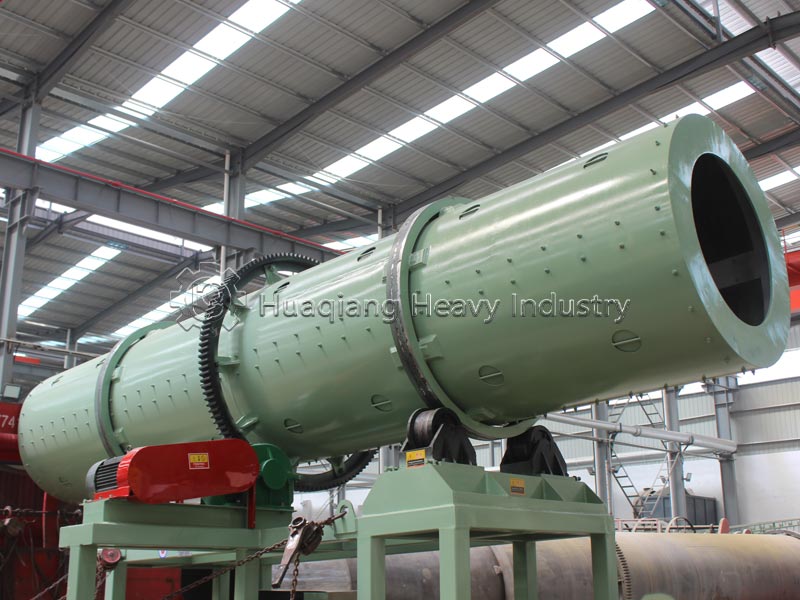
In addition, appropriate amounts of chlorine can improve soil properties and enhance efficiency, alleviating soil compaction and improving aeration. NPK fertilizer production lines and NPK compound fertilizer production equipment can precisely adjust chlorine content based on soil and crop needs, and then use fertilizer granulator mechanisms to produce granular fertilizers for convenient storage, transportation, and application. It is important to note that the benefits of chlorine stem from “appropriate amounts”; chlorine-sensitive crops should avoid its use, while chlorine-tolerant crops can benefit from its reasonable application.
In summary, chlorine is a “booster” for crop growth. NPK fertilizer production lines and NPK compound fertilizer production equipment enable precise chlorine proportioning, and fertilizer granulators help in shaping and improving quality. Reasonable application of chlorine-containing fertilizers can improve quality, increase yield, and protect crop health.