
The 20/20/20 on fertilizer packaging refers to the percentage by weight of nitrogen (N), phosphorus (P₂O₅), and potassium (K₂O). It means that every 100 kilograms of fertilizer contains 20 kilograms of each of these three elements, representing a classic, balanced, and general-purpose NPK fertilizer ratio. This precise ratio requires precise control during the NPK fertilizer production line to ensure nutrient levels meet standards and provide comprehensive and balanced nutrition for crops.
Each of the three elements plays a specific role and works synergistically to promote growth: nitrogen promotes lush foliage and chlorophyll synthesis, laying a solid foundation for growth; phosphorus aids root development, flower bud differentiation, and fruit enlargement, improving fruit quality; and potassium enhances crop resistance, regulates nutrient transport, and prevents lodging. Balanced supply avoids nutrient imbalances.
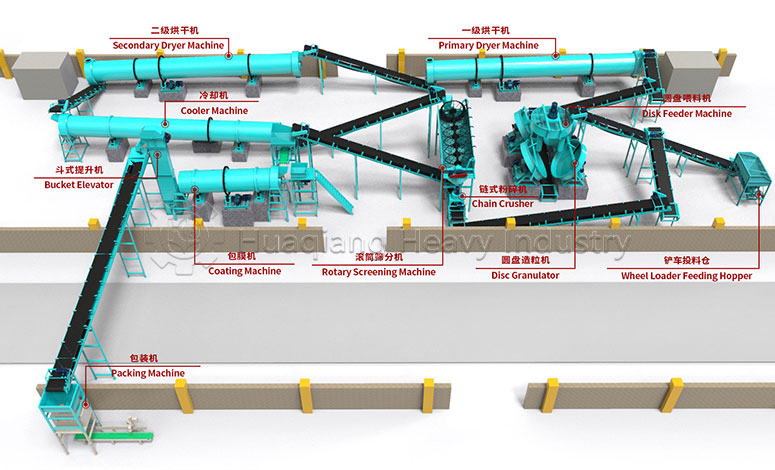
This ratio is widely applicable, especially during the crop growth period. It can be applied to the soil as a base fertilizer or diluted and sprayed on the leaves. It is suitable for home gardening, greenhouse cultivation, and other scenarios. Different forms of 20/20/20 fertilizer require specialized fertilizer production equipment for processing. Fertilizer granulators can process it into granules, improving storage and transportation convenience and ensuring even application.
Two common misconceptions should be avoided: firstly, it is not a panacea; crops require targeted fertilization during the reproductive stage (increased potassium fertilizer during fruit enlargement and emphasis on phosphorus fertilizer during flowering); secondly, it should not be used excessively, as this can easily lead to soil salinization and root burn. The concentration and frequency of application should be controlled according to crop needs.
In summary, 20/20/20 is a balanced and versatile ratio in NPK fertilizers, primarily providing balanced nutrients during the crop growth period. Scientific application can maximize fertilizer efficiency.