
Many people mistakenly believe that deteriorated organic fertilizer is merely “useless,” but this is far from the truth. High-quality organic fertilizer requires standardized processing on an organic fertilizer production line, relying on equipment such as double screws compost turning machines for thorough decomposition. Deteriorated organic fertilizer, however, is often caused by improper production or storage. Its indiscriminate application can cause multiple harms to the soil, crops, and the environment, with negative impacts far exceeding simply “losing its effectiveness.”
For crops, deteriorated organic fertilizer directly damages them, even leading to reduced yields or crop failure. Harmful bacteria and insect eggs that breed within it can infect crop roots, causing diseases and resulting in yellowing and wilting of plants. The rancid substances and excessive ammonia nitrogen produced during deterioration can also burn roots and leaves, disrupting crop metabolism.
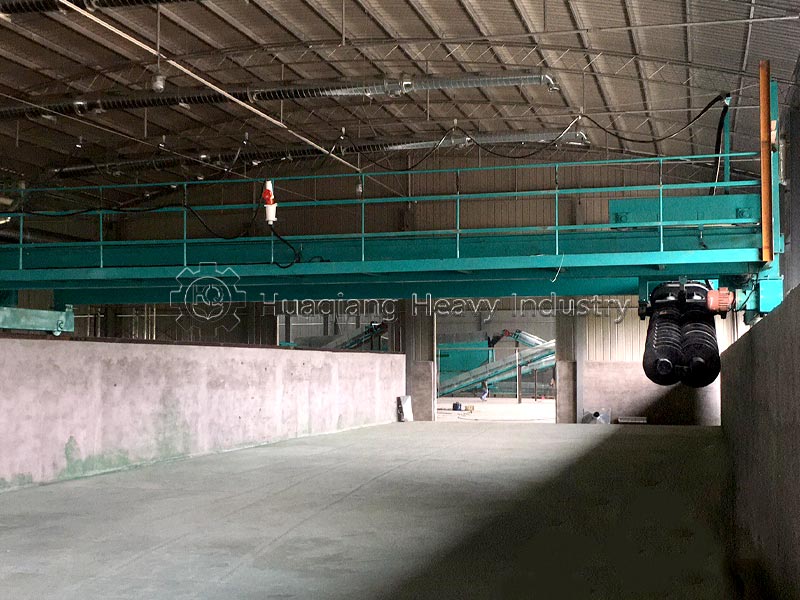
For the soil, deteriorated organic fertilizer disrupts its microecological balance and accelerates degradation. High-quality organic fertilizer, processed and decomposed using a double screws compost turning machine, can improve soil. However, harmful bacteria in spoiled fertilizer suppress beneficial microorganisms, leading to soil compaction and fertility imbalance, contradicting the soil-improving effects of high-quality fertilizer processed by organic fertilizer production equipment.
Furthermore, spoiled organic fertilizer pollutes the environment. When piled and applied, it emits a pungent odor, and when washed away by rainwater, it pollutes groundwater and farmland ditches, damaging the ecosystem.
Organic fertilizer spoilage is often due to improper storage and incomplete fermentation. The lack of proper decomposition control using equipment such as double screws compost turning machines in organic fertilizer production lines also increases the probability of spoilage. In conclusion, spoiled organic fertilizer is extremely harmful. Growers must carefully assess storage conditions and select high-quality, standardized fertilizers to protect both planting profits and the ecological environment.