
Global low-carbon agriculture boosts fast growth of organic fertilizer demand, pushing steady technical upgrades across the fertilizer manufacturing sector. The update of organic fertilizer production equipment leads industrial development, as modern investors focus more on equipment stability, energy consumption and environmental performance for their fertilizer production projects.
Conventional organic fertilizer production equipment has formed mature and complete production systems after long-term market optimization. It covers all core procedures including raw material composting, crushing, granulation and finished packaging. It efficiently converts livestock manure and crop straw into qualified organic fertilizer products, satisfying basic fertilization demands for common farmlands and large planting bases worldwide.
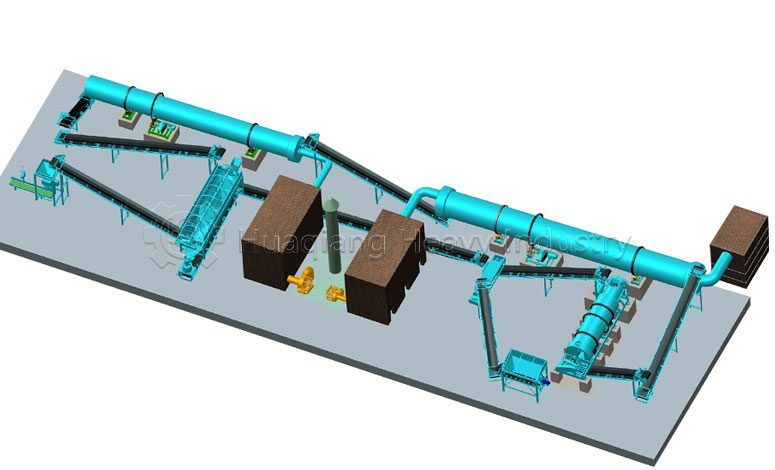
To solve worsening soil degradation issues, high-end functional bio-organic fertilizer equipment has gained growing popularity recently. Developed on the basis of standard production equipment, it is equipped with dedicated strain mixing units and low-temperature processing modules. This professional design effectively protects active beneficial microbes inside fertilizers, improving soil health and fitting the needs of modern high-standard ecological planting.
Professional fertilizer machine manufacturers provide core technical support for such equipment iteration. They optimize equipment structures and operation parameters based on actual production and farming needs. They keep upgrading both regular organic fertilizer production equipment and bio-organic fertilizer equipment, raising automation level while cutting overall production costs for end users.
Looking ahead, fertilizer processing equipment will keep moving toward intelligence and energy conservation. With continuous technical improvements from fertilizer machine manufacturers, both standard and bio-organic fertilizer equipment will further support sustainable green agriculture globally.