
Chain compost turning machines can process various organic wastes, but due to their chain drive and chain plate turning structure, some materials are unsuitable for processing. This will not only reduce composting efficiency but may also damage the equipment.
The first type is large, hard materials, such as uncrushed coarse straw, large branches, and clumps of dry, hard manure. The hardness of these materials increases the running resistance of the chain and chain plates, easily causing parts to jam and wear, preventing uniform turning, and affecting the operation progress.
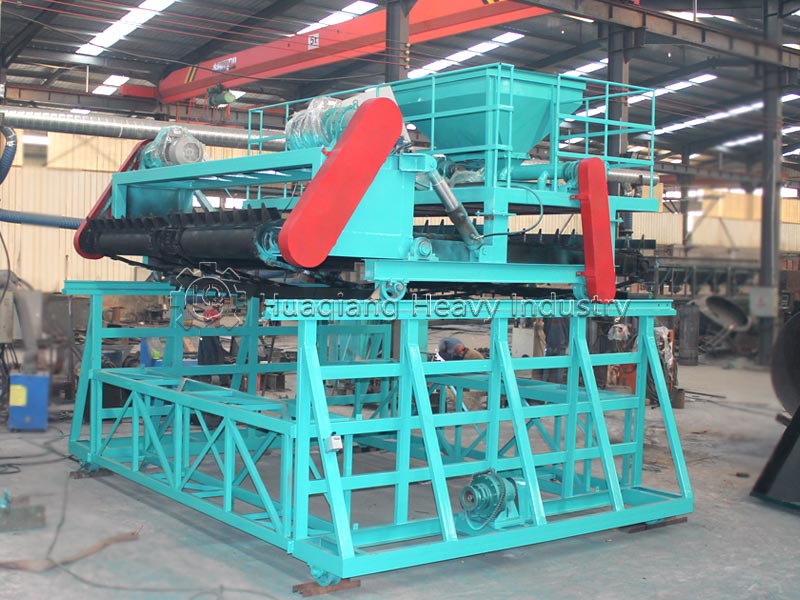
The second type is highly entangleable materials, such as uncrushed vines, weeds, and fibrous waste. These materials easily become entangled on the chain and chain plates, are difficult to clean, hinder equipment operation, and in severe cases, cause shutdowns and increase maintenance workload.
The third type is highly corrosive materials, such as high-concentration acid and alkali waste liquids and industrial sludge containing highly corrosive components. The equipment chains and chain plates are mostly made of metal; long-term contact will accelerate rust and aging, shorten service life, and also affect compost quality.
In summary, chain compost turning machines are more suitable for handling raw materials that are soft, without hard lumps, strong entanglement, or corrosiveness. If such unsuitable raw materials need to be handled, they should be pre-treated by crushing and neutralizing, or a suitable model should be used to avoid damage to the chain compost turning machine.