
Hydraulic trough compost turning machines, with their powerful performance and uniform composting, have become commonly used equipment in the composting industry. However, they are not suitable for all manufacturers. They are primarily suited for composting plants with fixed sites and a focus on standardized production.
First, large-scale organic fertilizer producers. These plants have large composting volumes and stable demand, requiring continuous and standardized operations. Hydraulic trough compost turning machines can utilize fixed fermentation tanks to achieve uniform turning of batches of materials, meeting the efficiency and quality requirements of large-scale production.
Second, manufacturers with fixed composting sites. Hydraulic trough compost turning machines require fixed fermentation tanks for operation and are suitable for manufacturers with well-planned sites and dedicated composting areas.
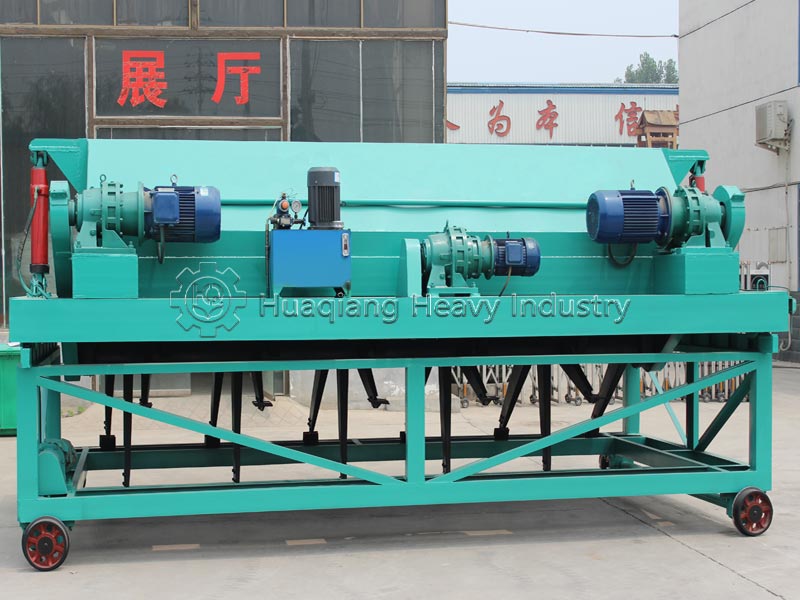
Third, manufacturers with high requirements for compost quality. Their powerful turning force and high uniformity thoroughly break up materials, replenish oxygen, and prevent uneven composting, making them suitable for manufacturers that prioritize organic fertilizer quality and product competitiveness.
Fourth, manufacturers that frequently handle high-moisture, sticky, and heavy materials. Their powerful performance effectively handles sticky and heavy materials such as sludge and livestock manure, preventing turning obstacles.
In summary, hydraulic trough compost turning machines are suitable for manufacturers with fixed sites, large-scale production, and a focus on compost quality, maximizing the value of the equipment.