
Many overseas buyers get confused by three similar terms during organic fertilizer equipment procurement: organic fertilizer granulation machine, organic fertilizer making machine and fertilizer manufacturing equipment. Though alike in wording, they differ greatly in function, application scope and production capacity. Clarifying these definitions helps buyers avoid wrong purchases and match suitable devices for their fertilizer projects.
An organic fertilizer granulation machine is a single-purpose processing machine. It only undertakes the granulation procedure, turning fermented powder materials into uniform fertilizer particles. This standalone device cannot run alone and must match front-end crushing, mixing and fermentation equipment. It is mainly used for equipment replacement or partial production line renovation, ideal for factories that only need to upgrade the granulation section.
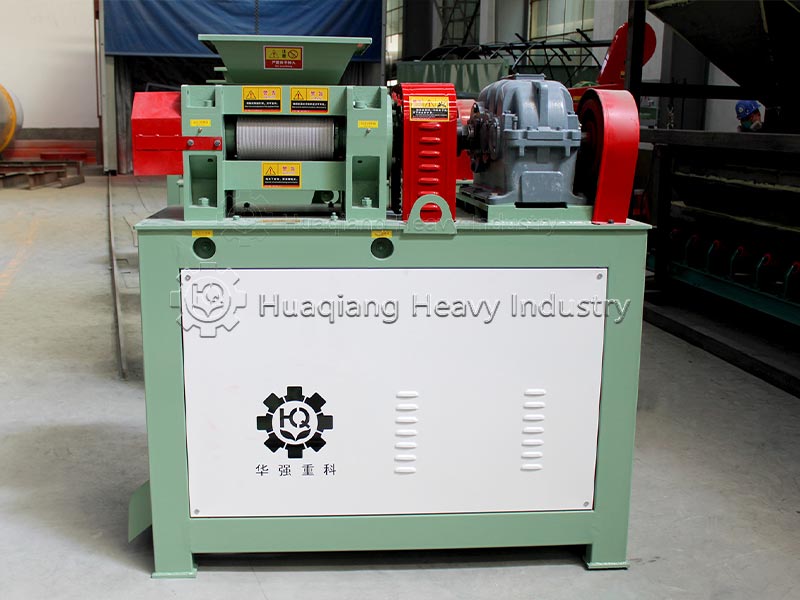
In comparison, organic fertilizer making machine means compact integrated units. It integrates mixing, auxiliary fermentation and granulation functions into one device, supporting independent small-batch fertilizer production without extra complicated supporting machines. With low cost, small footprint and simple operation, it is the best choice for individual farms and small mini fertilizer workshops.
Covering the widest production range, fertilizer manufacturing equipment refers to full automatic complete production lines. It covers the whole workflow from raw material composting, crushing, granulation to drying, screening and packaging. This full set of equipment supports continuous large-scale industrial production, built for large professional fertilizer plants with high output and automation requirements.
To sum up, match equipment based on actual production needs. Choose single granulation machines for partial line upgrading, integrated organic fertilizer making machines for small-scale production, and complete fertilizer manufacturing equipment for large-scale standardized fertilizer production lines.