
The fundamental difference between bio-fertilizers and conventional organic fertilizers lies in the presence of functional live microbes. This distinction dictates a completely different logic for equipment selection—every piece of machinery is designed with the priority of preserving these live microbes.
The complete bio-organic fertilizer production process encompasses raw material pretreatment, aerobic fermentation, crushing and proportioning, mixing with microbial inoculants, granulation, low-temperature drying, and screening/packaging. While fermentation requires a compost turner to ensure thorough decomposition, the critical turning point occurs after fermentation: all subsequent steps—specifically those following the addition of microbial inoculants—must be conducted at low temperatures.
Bio-organic fertilizer production equipment must meet three core requirements: parts in contact with the material must be made of stainless steel to prevent contamination; crushing and mixing operations must run at low speeds to avoid heat buildup that could damage the microbes; and drying temperatures post-granulation must be kept below 60°C to prevent mass mortality of the live microbes.
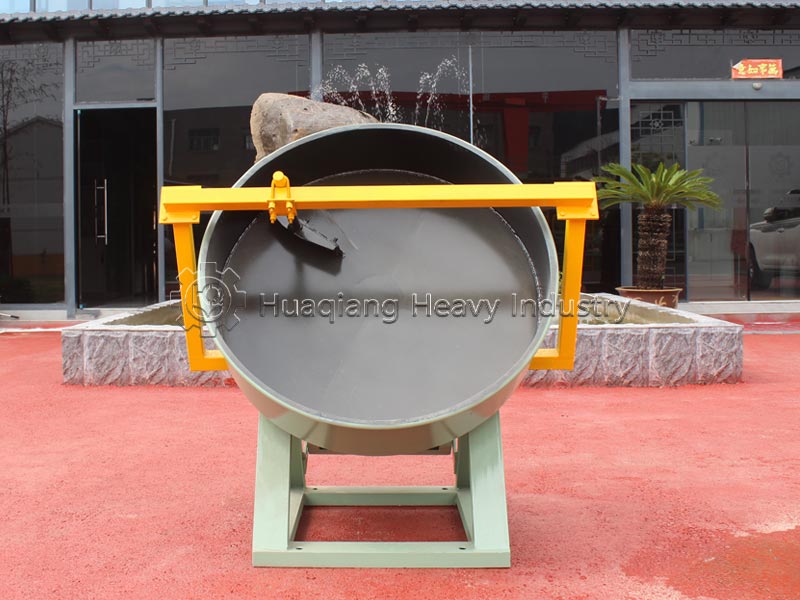
Selecting the right fertilizer granulation equipment is crucial. Among available options, a disc granulator paired with a low-temperature air-drying system can meet these requirements; a stirring-tooth granulator is suitable for high-moisture materials, provided it features a low-temperature design.
Bio-fertilizer production equipment constitutes a system redesigned specifically around the preservation of live microbes. Compost turners ensure effective fermentation; stainless steel prevents contamination; low-speed mixing protects the microbes; and low-temperature granulation and drying safeguard the final stages. Every equipment choice serves a single goal: ensuring the functional microbes remain alive until they reach the soil.