
Many companies new to the bio-fertilizer field believe they can simply switch to conventional fertilizer manufacturing equipment. However, in practice, they often encounter problems such as low survival rates of live bacteria and products prone to mold. This is because bio-fertilizers have specific equipment requirements. This article will explore the truly suitable equipment required for bio-fertilizer production and specialized bio-organic fertilizer equipment from this perspective.
A qualified bio-fertilizer production system should possess three characteristics. First, it should be “low-temperature.” Hot air drying should not be used after granulation; instead, a low-temperature airflow drying device should be installed to control the material temperature below 60°C, or a “granulation followed by bacterial spraying” process can be adopted: first, sterile organic granules are produced, and then liquid bacterial agents are atomized and sprayed during the cooling process. This method requires higher sealing performance but maximizes the survival of the bacteria.
Second, it should be “mild.” High-shear vertical mixers are not recommended for the mixing stage; low-speed double-shaft paddle mixers are advised to avoid frictional heating. The pulverizing process should use a semi-wet material chain pulverizer, and pulverization should be completed before adding the microbial agent.
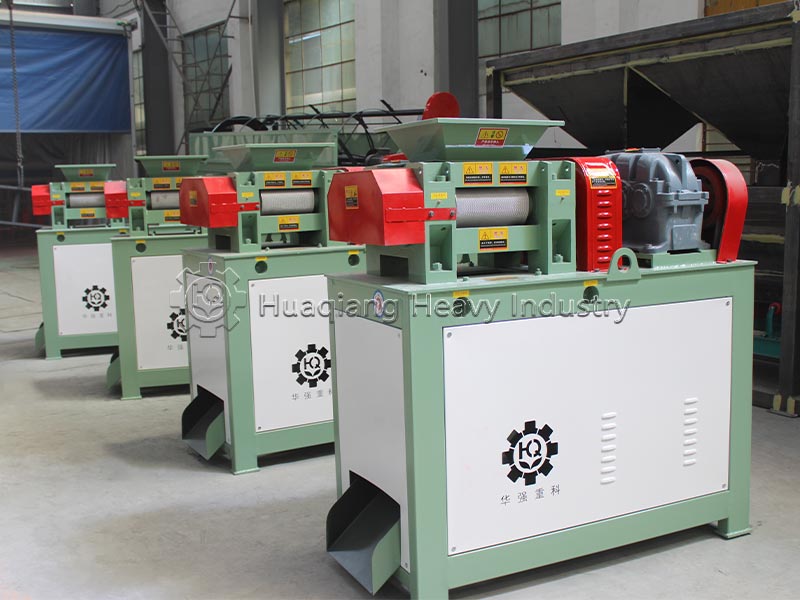
Thirdly, “cleanliness” is crucial. All parts in contact with materials should ideally be made of stainless steel, and the equipment’s internal walls should be designed with a smooth, dead-angle-free structure for easy cleaning and disinfection. In the granulation stage, fertilizer roller granulators are preferred because the extrusion process requires no water and no subsequent drying.
It’s worth noting that specialized bio-organic fertilizer equipment comes standard with stainless steel contact surfaces and a low-speed drive system, saving companies the trouble of modification. Investing in a 5,000-ton-per-year bio-fertilizer production line requires an equipment budget of approximately 600,000-800,000 yuan, about 20% higher than a conventional organic fertilizer line, but the return is a 30%-50% increase in live bacteria count and selling price. Choosing the right equipment is the first step to a successful bio-fertilizer project.